
Leather vs. Synthetic Vinyl: How High-UV Sun Exposure Degrades Car Cabins
The Solar Kiln Inside Your Vehicle
A parked vehicle can become a solar kiln long before the outside air feels extreme. Sunlight passes through the glass, is absorbed by the dashboard, seats, door panels, and steering wheel, and is then re-emitted as infrared heat that remains largely trapped inside the cabin. Under strong sun, interior temperatures can reach 120 to 150 degrees Fahrenheit or higher, while some measurements have found parked interiors averaging roughly 40 degrees hotter than the surrounding air. The most rapid increase often occurs during the first 15 to 30 minutes, which means even a short stop can impose a substantial thermal load.
Heat is only half of the problem. Shortwave ultraviolet radiation attacks dyes, coatings, polymers, and organic fibers at the same time that infrared energy raises their temperature. The result is fading, yellowing, drying, stickiness, cracking, and loss of flexibility. A conditioner can improve the feel and appearance of a surface, but it cannot fully restore broken molecular bonds or replace plasticizers that have migrated out of vinyl. In practical terms, topical care is maintenance, not a substitute for reducing the radiation and heat reaching the cabin in the first place.
Collagen Breakdown in Automotive Leather
Automotive leather is a natural collagen structure that has been tanned, dyed, coated, and often embossed to provide a consistent appearance. Its durability depends on the interaction of the hide, tanning chemistry, lubricating oils, pigments, and protective finish. Sustained heat encourages the loss or evaporation of some oils and moisture that help fibers move against one another. As the hide dries, repeated flexing at seat bolsters, seams, and entry points can create microscopic fractures that eventually become visible cracks.
UV-A radiation adds a more fundamental form of damage by disrupting chemical bonds in the collagen and in the finishes applied over it. The clear topcoat generally takes the first assault, becoming dull, yellowed, harder, or brittle. Once that barrier cracks or wears through, the organic layers underneath receive more direct exposure to sunlight, skin oils, dust, and abrasion. Light-colored leather makes the problem easier to see because yellowing, dye transfer, and dirt contrast sharply with the original surface.
- Use a pH-balanced automotive leather cleaner rather than bleach, alcohol, ammonia, dish soap, or other harsh household products.
- Apply products sparingly and remove residue completely, because excess conditioner or silicone can leave a heat-absorbing, greasy film.
- Wipe dust and body oils away regularly, especially from steering wheels, bolsters, armrests, and seat edges that receive repeated contact.
- Reduce direct sunlight with shade, a reflective windshield barrier, or legally permitted solar-control film.
Conditioning can support suppleness when the material is still sound, but it has a clear limit. It cannot rebuild a separated finish, reverse collagen fragmentation, or make a severely dried hide structurally new. Once cracking has penetrated the grain and backing layers, repair becomes a cosmetic and reinforcement task rather than ordinary maintenance. The economical strategy is therefore to reduce heat and UV exposure before the surface reaches that point.
Plasticizer Migration in Synthetic Vinyl and Faux Leathers
Vinyl, usually based on polyvinyl chloride, and many faux leathers rely on plasticizers to remain flexible. These additives sit between polymer chains and reduce stiffness, allowing a dashboard, door armrest, or seat covering to bend without immediately splitting. Polyurethane faux leather uses a different polymer system, but it can also depend on coatings and flexible layers that are sensitive to heat, humidity, hydrolysis, and radiation.
Photothermal stress can cause the formulation to separate gradually. Plasticizers may migrate toward the surface, where they appear as an oily or sticky film that attracts dust. This is why a deteriorating vinyl armrest can feel tacky even after it has been cleaned. Wiping may remove the residue temporarily, but it does not necessarily stop the additives from moving through the material. Repeated solvent cleaning can also strip color or surface coatings, creating a cycle in which the part looks cleaner briefly but becomes increasingly exposed.
As plasticizer content falls, the polymer loses flexibility and becomes harder, more brittle, and less tolerant of stretching. Seams and corners usually fail first because they experience concentrated stress when occupants enter, exit, or lean against the panel. Heat, UV exposure, humidity, age, cleaning chemistry, and the original formulation all influence the pace of deterioration, so two vehicles parked in similar conditions may age very differently. Research on PVC thermal degradation and weathering describes how solar and thermal stress can promote polymer breakdown, dehydrochlorination, and changes associated with plasticizer loss. A related Authoritative Source further documents the effects of thermal degradation and weathering on PVC materials.
Sticky vinyl is therefore a warning sign, not merely a cleaning inconvenience. A compatible surface treatment may improve appearance, and a professional repair may seal or refinish the part, but permanent recovery is unlikely if the underlying polymer has already lost its flexibility. The most reliable protection remains passive: keep the surface cooler, block direct radiation, and avoid aggressive chemicals that accelerate coating failure.
Material Vulnerability and Heat Tolerance Comparison
Different upholstery materials fail in different ways. Coated leather has a natural fiber foundation with a protective synthetic finish, while aniline leather has far less surface protection and therefore shows environmental wear sooner. PVC vinyl is a flexible plastic system vulnerable to plasticizer migration and embrittlement. Polyurethane faux leather can feel convincing and perform well in daily use, but its surface film may crack, peel, or hydrolyze when exposed to heat and moisture over long periods.
| Material | Typical failure mode | Recovery potential |
|---|---|---|
| Coated leather | Drying, topcoat cracking, fading, collagen fracture | Good maintenance potential before deep cracking |
| Uncoated aniline leather | Rapid staining, discoloration, drying, and surface abrasion | Limited, because the hide has little protective barrier |
| PVC vinyl | Sticky plasticizer migration followed by hardening, splitting, and brittleness | Cleaning is temporary when migration continues |
| Polyurethane faux leather | Surface peeling, delamination, cracking, and hydrolysis-related breakdown | Often limited once the top film separates |
Leather commonly presents as an organic dry-rot problem: the fibers lose lubrication, contract, and fracture under flexing. Vinyl more often presents as a polymer chemistry problem: additives move, the surface becomes tacky, and the remaining material loses flexibility. Bicast or heavily coated leather can behave somewhat like synthetic material when its urethane finish becomes sticky, peels, or delaminates. In every case, heat accelerates the process, but the visual symptoms and the appropriate repair approach differ.
Maintenance has a practical threshold. A clean, intact surface can benefit from gentle cleaning, controlled conditioning where appropriate, and reduced exposure. A surface that is already deeply cracked, powdery, sticky throughout, or peeling has crossed into structural deterioration. Products may improve presentation, but they cannot reliably return the original material properties. This is why prevention offers better value than repeated corrective detailing, especially for high-contact areas such as seat bolsters and door armrests.
Zero Cost Passive Thermal Defense Strategies
Passive thermal management works because it prevents energy from reaching the cabin rather than trying to remove it after the interior has absorbed it. Parking in shade, using a garage, and positioning the vehicle intelligently cost nothing when those options are available. A reflective barrier adds another layer by returning solar energy through the windshield before the dashboard and front seats convert it into heat. Measurements collected by the National Renewable Energy Laboratory demonstrate why reducing solar load can substantially lower peak cabin and surface temperatures. Related findings in this Authoritative Source reinforce the value of reducing solar heat gain.
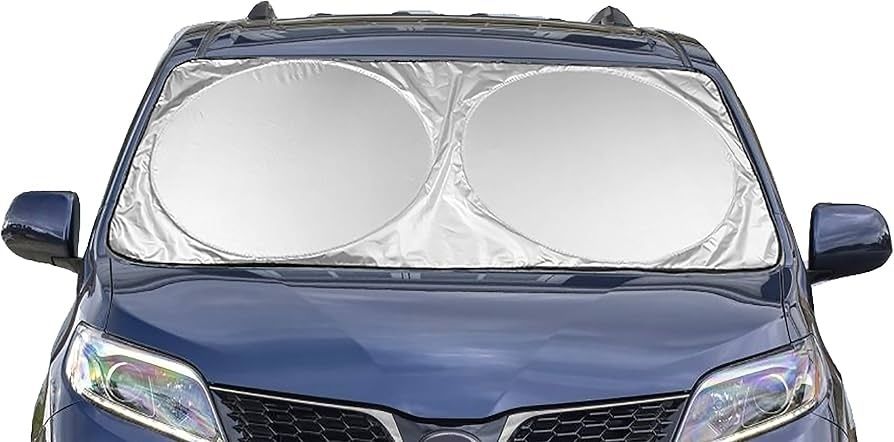
Orientation matters when shade is limited. During the strongest part of the day, parking with the rear of the vehicle facing the sun can keep the windshield and front bolsters out of direct radiation, depending on season, location, and the sun’s position. The exact best angle changes with latitude and time of year, so the useful rule is simple: place the largest glass area and the most vulnerable seat surfaces away from the dominant solar direction whenever practical. Track shade during a normal parking period rather than assuming a spot that is shaded at arrival will remain shaded later.
Cracking the windows can assist ventilation, but it is not a guaranteed equalizer. There is no universal crack margin that reliably neutralizes cabin pressure or prevents heat soak, because results depend on wind, glass area, vehicle shape, humidity, and whether the opening permits cross-flow. A small, inconspicuous opening may release some hot air, but it can increase theft, vandalism, and rain risk. Never rely on cracked windows as the primary protection for children or animals, and follow local security and weather considerations.
- Choose a garage or secure shade first, giving priority to locations that remain shaded during the entire parking period.
- When shade is unavailable, orient the vehicle so the rear faces the strongest midday sunlight, protecting the windshield, dashboard, and front seat bolsters when conditions allow.
- Place a reflective windshield barrier tightly against the glass, because gaps allow direct radiation to reach the dashboard.
- Use available interior covers or clean light-colored fabric to shield exposed seat surfaces, while avoiding anything that could interfere with pedals, airbags, or visibility.
- Reassess the parking position as the sun moves, especially during long work shifts when morning shade may disappear by afternoon.
Reflective barriers work best when they block radiation before it is absorbed. A dark dashboard left in direct sun can become much hotter than the cabin air, transferring heat into nearby leather, vinyl, and plastic components. Shade and shielding also reduce the temperature gradient that drives repeated expansion and contraction. These measures do not stop all aging, but they reduce the intensity of every subsequent cleaning, conditioning, and repair decision.
Preserve Cabin Value Through Strategic Sun Defense
Interior preservation begins with fit between the protection method and the material, much as a well-made accessory begins with the right fit. Coated leather needs gentle cleaning and controlled conditioning, aniline leather needs especially careful exposure management, and synthetic coverings need protection from the heat that drives plasticizer migration and coating failure. No product can compensate indefinitely for daily exposure to a closed, sun-heated cabin.
A practical routine combines intentional parking with simple surface care. Wipe sweat, sunscreen, body oils, and dust from high-contact areas before they become an abrasive or chemically active film. Use a reflective windshield barrier whenever direct sun is unavoidable, and inspect seats and armrests for early signs of tackiness, dullness, yellowing, or fine cracking. The most useful habits are consistent and inexpensive:
- Park in shade or a garage whenever security and access permit.
- Protect the windshield and front cabin surfaces before the interior heats up.
- Keep windows closed or only minimally opened when security or weather makes ventilation uncertain.
- Clean according to the upholstery material, avoiding harsh household solvents.
- Treat stickiness, peeling, and deep cracking as material-failure warnings rather than ordinary dirt.
Long-term cabin value depends primarily on thermal mitigation. Detailing can restore cleanliness and improve appearance, but strategic sun defense protects the leather fibers, polymer chains, coatings, and seams that detailing cannot rebuild. Fit comes first in every preservation plan: match the method to the material, reduce the incoming energy, and protect the interior before molecular damage becomes visible.